Palatine Dósa
Ország:
Címer típusa:
Nemzetség:
Használatban:
Titulus:
Dósa the Palatine and the Dósa Family: Debrecen’s First Golden Age
The career of Dósa the Palatine, from the Guthkeled clan, stands as one of the most prominent success stories of the early 14th-century Anjou era. Although the family became extinct in the male line by the end of the century—leading 19th-century historians to refer to them as the “Debreczeni family” for lack of a better alternative, after their estate center—their activities laid the foundation for Debrecen’s subsequent regional dominance and economic strength.
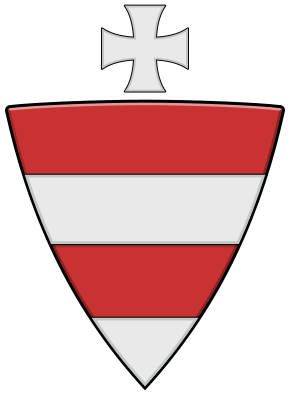
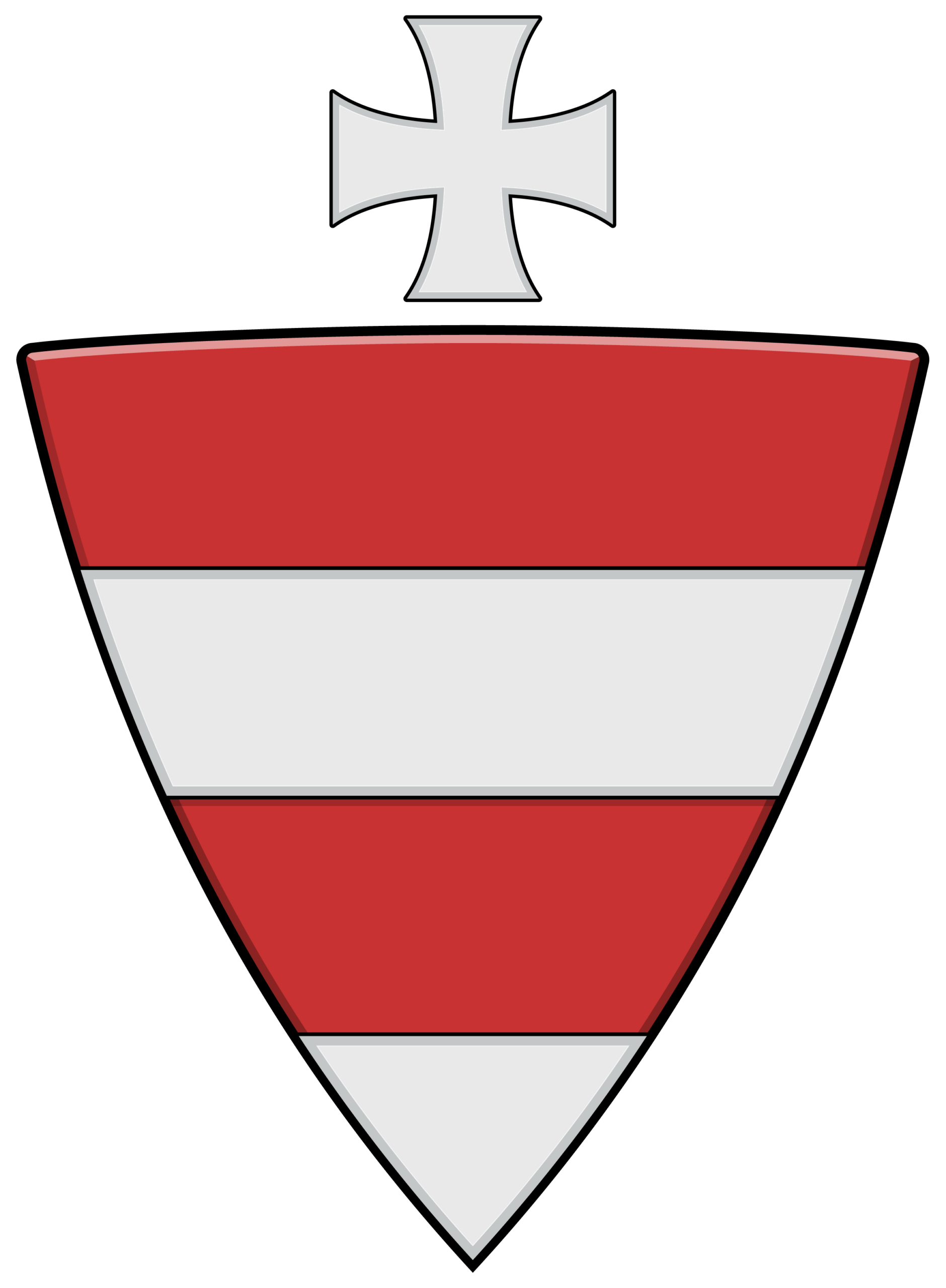
The coats of arms were reconstructed based on the seals of the family and the Palatine.
The Origins and Rise of the Family
Early research mistakenly attempted to link the family’s ancestral origins to the Káta or Aba clans—the latter primarily based on the letter “A” visible on the seal and the barred coat of arms. In contrast, contemporary historical evidence clearly demonstrates that Palatine Dósa and his brother, Ban Rofoyn, belonged to the Szabolcs (Debrecen) branch of the Guthkeled clan.
Their rise is directly linked to the downfall of the trans-Tisza oligarchs, including Palatine Kopasz of the Borsa clan, and the consolidation of the royal power of King Charles I (Carol Robert). Dósa loyally served the king in battles against internal rebels: by 1311 he was already the king’s military commander, in 1317 supreme count (comes) of Bihar and Szabolcs counties, in 1318 Voivode of Transylvania, and at the pinnacle of his career, from 1321 to 1322, the Palatine (palatinus) of the realm.
Debrecen as a Palatinal Center
The most significant feature of Dósa’s historical role was his break with contemporary administrative customs. He did not maintain his palatinal court in the royal centers (Buda or Temesvár), but instead established a permanent seat in Debrecen, where he issued his charters, held assemblies, and administered justice.
This arrangement took place with the king’s consent, as the border region of the trans-Tisza area and Transylvania required a sustained military and administrative presence following the earlier wars. While Dósa’s deputy, Vice-Palatine István, resided in Buda, the Palatine made Debrecen the actual center of power in the region. Dósa passed away here at the end of 1322 and was buried beneath the town’s holy church of that era.
The Coat of Arms of Palatine Dósa
The coat of arms, reconstructible from the Palatine’s official seal, reflects strict heraldic facts:
The Shield: The triangular shield features four horizontal bars (fesses). Since the family became extinct at the end of the 14th century, the original colors (tinctures) of the bars remain unknown to posterity due to a lack of documentation.
Official Insignia: The banners decorated with crosses placed on both sides of the shield, along with the cross above the shield, were explicit markers of the palatinal office. Dósa’s sons no longer bore these on their own subsequent coats of arms.
The Accompanying Mark: Below the shield, a closed letter “A” shape is visible, which, according to contemporary customs, may have been a type of clan reference or an inherited symbol.
The Consolidation of the Estate and the Family’s Legacy
At the time of Dósa’s death, his sons (Jakab, Pál, András, and Dósa) were still minors. King Charles I granted the office of supreme count of Szabolcs County to the late Palatine’s sons, which Jakab and Pál actually assumed upon reaching adulthood; they later also became castellans of Adorján.
The Palatine’s descendants pursued a highly deliberate estate policy. They avoided armed border skirmishes and abuses of power, consistently settling their disputes through legal means, lawsuits, or peaceful compromises. Their primary objective was to consolidate the estates around Debrecen (including parts of Macsa, Elep, Hatház, Szoboszló, Sámson, Téglás, and the estate of Zámmonostora) into a single, organically connected, massive domain. Through this, they successfully laid the economic foundations of the modern Hajdúság region.
The family became entirely extinct in the male line during the final decades of the 14th century, and thus the immense estate and the town of Debrecen reverted to the Crown (King Sigismund) at the turn of the century. Today, their memory is preserved in the city by Dósa Nádor Square.

The visual content of this website may be freely used under the terms of the Creative Commons 4.0 license, provided that the source is clearly indicated and the attribution includes a full, clickable link to https://cimerek.hu or to the exact web address of the specific content.
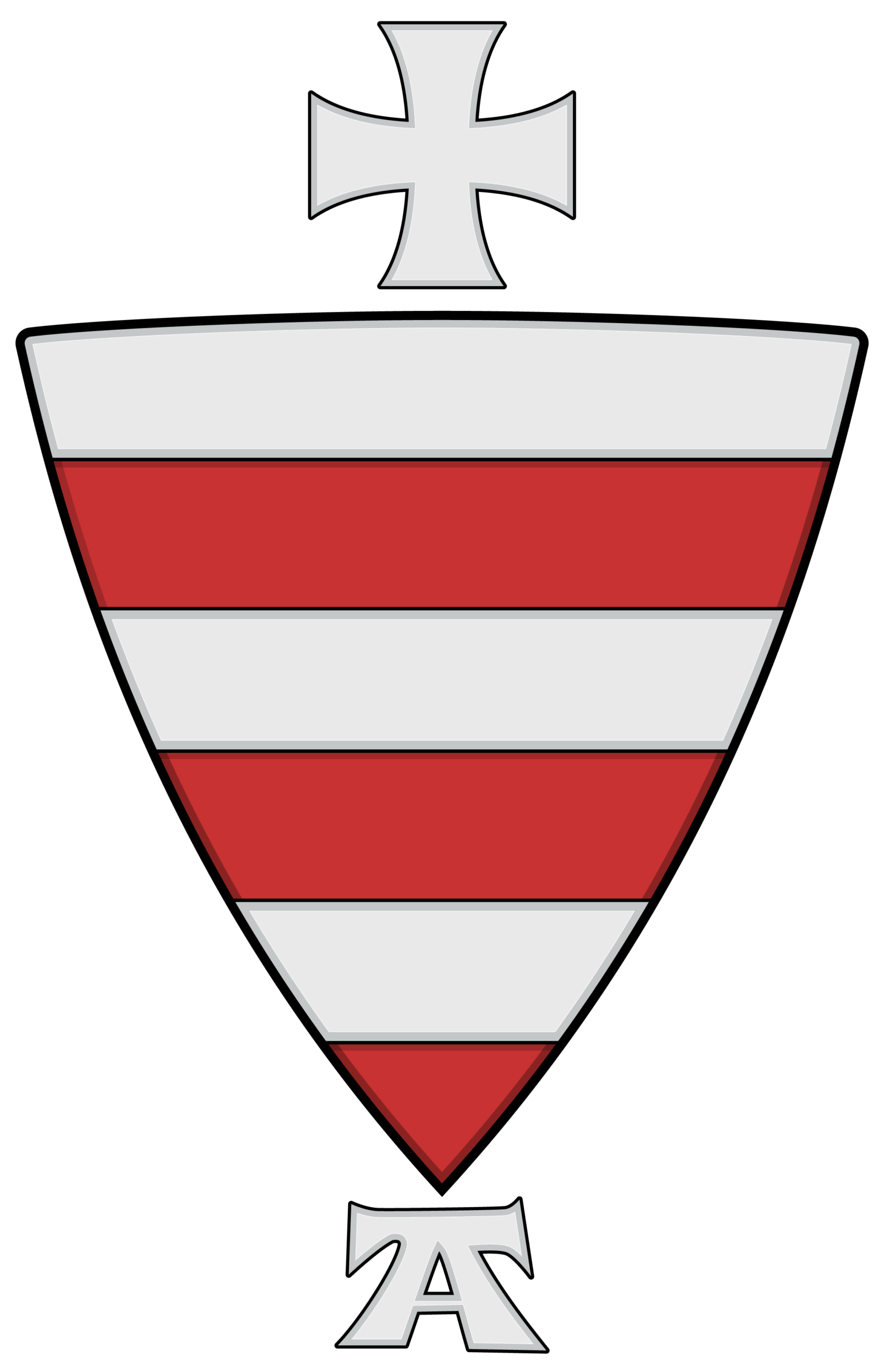
Coat of arms of the Dósa family