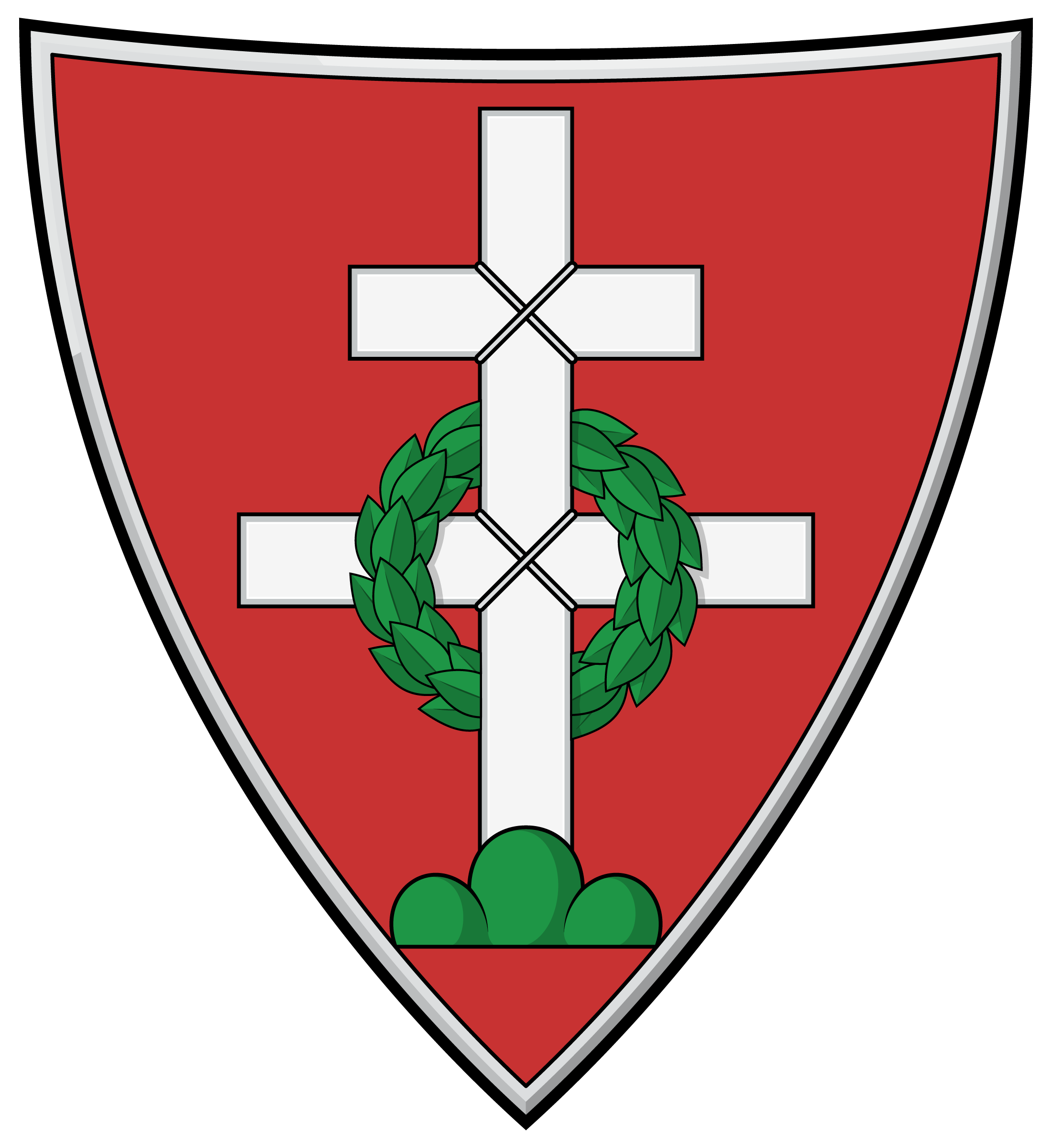
The coat of arms of King Stephen V of Hungary
Name:
Epithet:
Country:
Title:
Dynasty:
Reign:
King Stephen V of Hungary
Stephen V (born before 1239 – 6 August 1272, Csepel Island) was King of Hungary and Croatia from 1270 to 1272. He was the elder son of King Béla IV. As early as 1246, during his childhood, he was crowned as junior king. Later he served as Duke of Styria (1258–1260) and subsequently as ruler of Transylvania.
From a young age, he fought for his own estates and rights. In 1262, his father forced him to govern the eastern territories of the kingdom independently, east of the River Danube. This arrangement led to a civil war between father and son. He was later crowned King of Hungary and Croatia on 3 May 1270.
During his reign, he successfully repelled King Ottokar II of Bohemia: in 1271 he defeated him near Pressburg (Bratislava) and Moson, after which peace was concluded. Under the terms of the treaty, Ottokar renounced his support for the rebellious Hungarian barons, while Stephen V made concessions regarding the treasures taken away by his sister.
Stephen planned significant internal reforms: he promoted urban development, granted privileges to Saxon settlements, reorganized the royal estate system, and convened national assemblies for the leading nobles. His dynamic and reform-oriented reign ended tragically early. In 1272 his son, Ladislaus, was abducted, an event after which Stephen fell ill and died on 6 August. He was buried in the Dominican monastery on Margaret Island, near his sister, Saint Margaret.
Redrawing of the coat of arms based on his seal
The Significance and Legacy of Stephen V
He was a strong-willed and far-sighted ruler who sought to strengthen the kingdom’s internal unity, reinforce central authority, and stabilize foreign relations. Although his reign lasted only two years, his efforts at consolidation after periods of dynastic conflict and his reform plans left a lasting impression. Many historians regard him as the “second founder of the state” of the Árpád dynasty.
Original image source: Internet
Text source: ChatGPT
The visual content of this website may be freely used under the terms of the Creative Commons 4.0 license, provided that the source is clearly indicated and the attribution includes a full, clickable link to https://cimerek.hu or to the exact web address of the specific content.