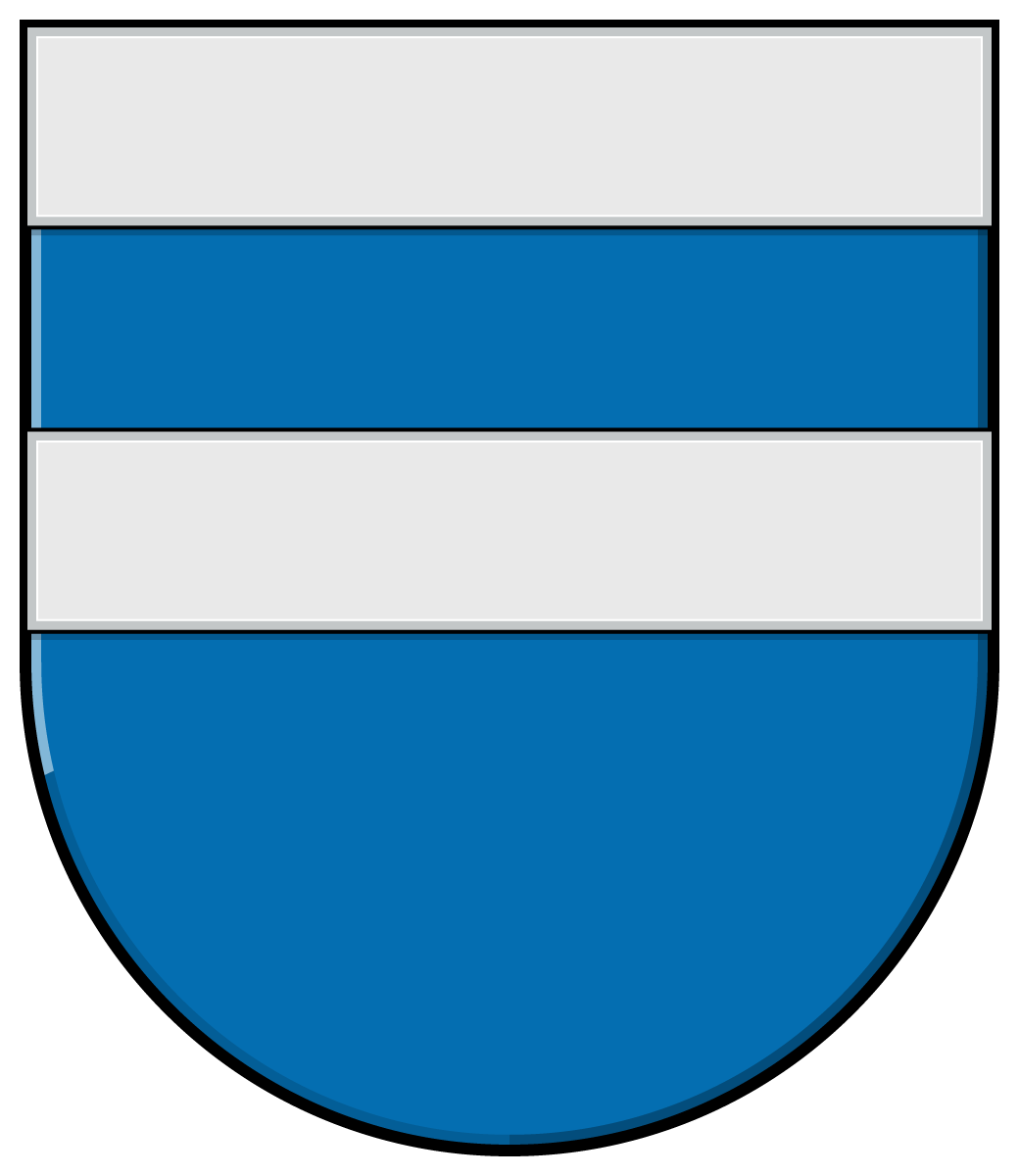
Coat of arms of Hlohovec
Location:
Type:
Status:
Hlohovec
(in Hungarian: Galgóc, in German: Freistadt an der Waag) is a town in Slovakia, serving as the administrative seat of the Hlohovec District within the Trnava Region.
The settlement is situated 19 kilometers northeast of Trnava, predominantly on the left bank of the Váh River, at the southern foothills of the Považský Inovec mountain range. Administratively, it currently includes Šulekovo (located on the right bank of the Váh) and Peter. The town functions as an important transportation hub: a railway line connects it to Nitra and Leopoldov, and it offers direct access to the D1 highway.
History of Hlohovec
The strategically important medieval castle, along with its surrounding estate and settlement, was first documented under the name Golguz in the second Zobor Zobor document dating back to 1113. Following the Mongol invasion, the area was rebuilt, and the settlement was granted town status and market rights by King Louis I (Louis the Great) in 1362.
Throughout history, the Hlohovec estate was held by several prominent noble families:
At the beginning of the 14th century, it was owned by Matthew Csák (Csák Máté).
It was later possessed by the Kont, Újlaki, and Thurzó families.
During the Ottoman occupation, between 1663 and 1685, it fell under the control of the Ottoman Empire as part of the Uyvar Eyalet, with Hlohovec functioning as a sanjak center.
In 1704, during Rákóczi’s War of Independence, the Battle of Hlohovec took place near the castle, resulting in a defeat for the Kuruc forces.
In 1720, the imperialist Erdődy family acquired the estate, subsequently reconstructing the damaged medieval castle into a Baroque chateau.
Throughout its history, Hlohovec consistently served as a major regional center for trade, craftsmanship (primarily cloth and beer production), and administration.
Sights, Economy, and Attractions of Hlohovec
The modern history and economy of Hlohovec were defined by the pharmaceutical industry during the second half of the 20th century: it housed the center of Slovak pharmaceutical manufacturing, Slovakofarma (now Zentiva, part of the Sanofi group).
The town’s most significant historical and cultural attractions, which remain open to visitors today, include:
The Erdődy Chateau: One of Slovakia’s largest Baroque chateau complexes, built upon the foundations of the former medieval castle. A key highlight is the Empire Theatre, constructed in 1802, which is the oldest still-functioning theater building in the country (where Ludwig van Beethoven also performed).
Church of St. Michael: A 14th-century Gothic parish church, which was later remodeled in the Baroque style.
Franciscan Church and Monastery: An architectural complex founded in 1492, which currently houses the Homeland Museum (Vlastivedné múzeum).
Hlohovec Observatory and Planetarium: A scientific and educational hub for the region.
Source of the original image: Internet
Source of the text: Wikipedia
The visual content of this website may be freely used under the terms of the Creative Commons 4.0 license, provided that the source is clearly indicated and the attribution includes a full, clickable link to https://cimerek.hu or to the exact web address of the specific content.