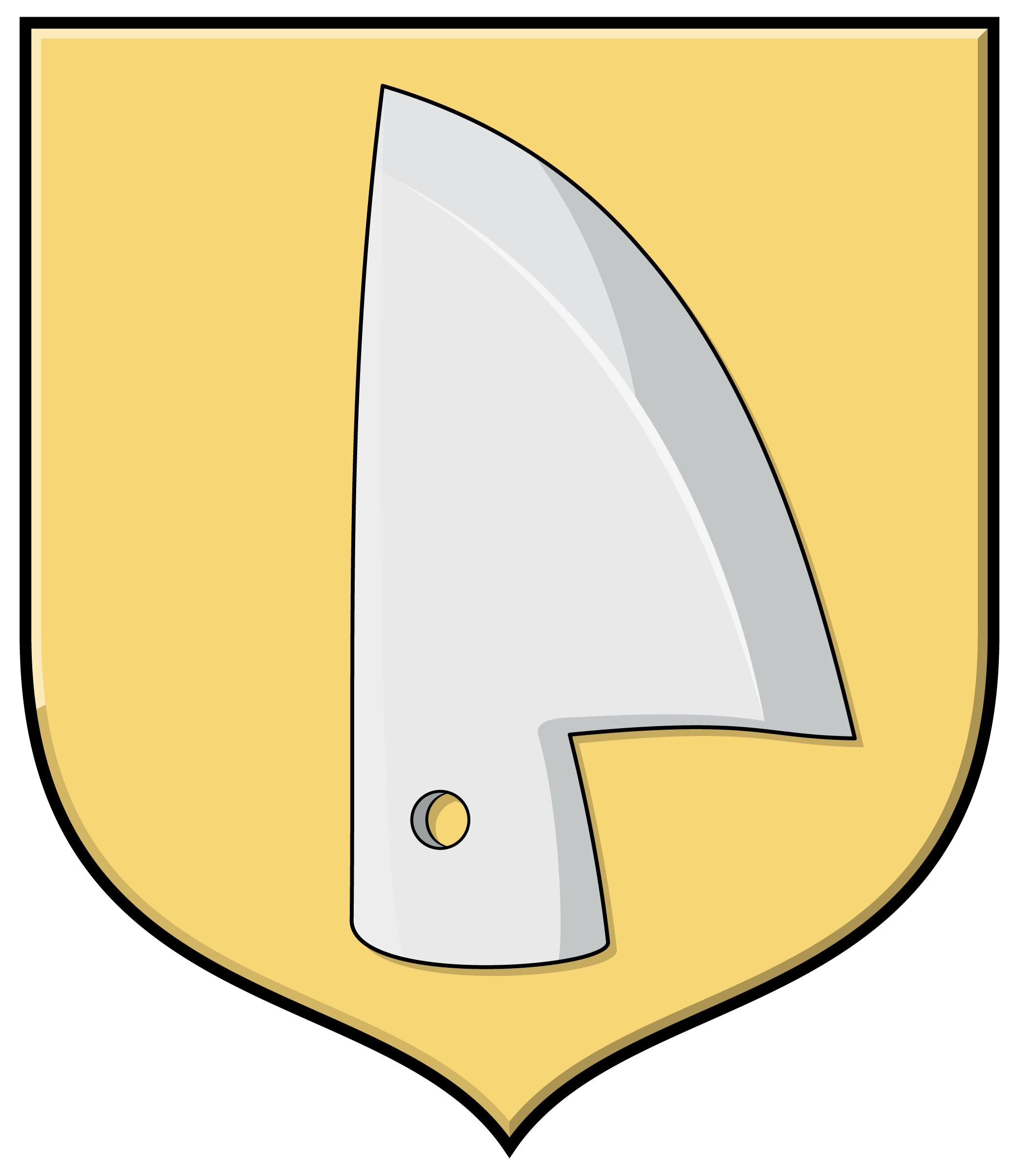
Coat of arms of Pinnye
Location:
Type:
Status:
Pinnye
(In German: Pinier, Freindorf; in Croatian: Pinjija) is a village in Győr-Moson-Sopron County, in the Sopron District.
History of Pinnye
The area was already inhabited during Roman times. Its first written mention dates back to 1324. In the Middle Ages it was owned by the Osl family, from which the Antal Pinnyei family later emerged, and through the female line the Zalay and Niczky families.
According to surviving documents from 14th-century property disputes, the settlement appears under the names Freindorf, Freyndorff, Pune, and Punye. In 1409, the first church was built in honor of the Blessed Virgin Mary. After 1526, Croatian-speaking settlers arrived in the village. In 1548, the royal tax collector described the settlement’s taxation as follows:
“Pynnye. Nobles: Péter Zalai and Benedek. Porta: 4, cotters: 3, poor: 12, shepherd: 1.”
In the second half of the 16th century, ownership by nobles frequently changed, the estate became fragmented, and Pinnye developed into a serf village. The troops of István Bocskai ravaged the area in 1605. After the Ottoman passage of 1683, 47 abandoned houses remained in Pinnye.
In the 17th century, the village was owned by Péter Zeke and Péter Tallián, and during the Kuruc period by Count Károly Karaffa. At the time of the first Hungarian census ordered by Emperor Joseph II, a total of 428 inhabitants were recorded, living in 61 houses, including 32 serf families and 12 cotter families.
By 1840, the village had 480 inhabitants in 62 houses. Ignác Rohonczy owned a manor house, a dry mill, and a threshing machine. Pinnye became noted for its cultivation of Italian millet, licorice, genuine hops, and for the large-scale planting of mulberry trees required for sericulture.
During the Hungarian War of Independence of 1848–1849, the following locals fought as honvéd soldiers: János Páris, József Rudasics, Ferenc Wengler, and István Wengler.
In 1872, the school was described as follows:
“Acceptable. In one classroom, one teacher taught 94 pupils (grades I–VI).”
Between 1880 and 1914, the population decreased from 630 to 603. Until 1950, the village was administered with the assistance of the joint district notary of Nagylózs and an elected village judge, until the establishment of the council system.
Hungary’s first long-distance telephone call was made between Sopron and Pinnye in 1877. It was realized by Leó Salamin, then director and physics teacher of the State Higher Secondary School in Sopron.
During the Second World War, the front passed quickly through the area on 30 March 1945, and the settlement suffered no damage in the fighting. Pinnye’s number of war dead was 18.
In 1950, Pinnye established its own local council. In 1959, the “Szabadság” Agricultural Cooperative was founded with 85 members and 767 hectares of land, with its center in Pereszteg. By the 1970s, the institutional system had been developed: Pinnye had a medical clinic, library, cinema, youth club, and cultural center.
From 1979, Pinnye became an associated village of Nagycenk, and it regained its independence only in 1990, with the establishment of the local municipal government.
Location of Pinnye
Pinnye lies between Sopron and Kapuvár, approximately 1.5 kilometers south of Main Road 85, on the banks of the Ikva Stream.
Road No. 8628 passes through the village center, while the 8612 and 8524 roads touch the eastern, uninhabited parts of its administrative area.
Along the northern boundary of the settlement runs the region’s most important railway line, the electrified Győr–Sopron railway line, which has a stop here. Pinnye railway station is located approximately 2.5 kilometers north of the village center by road and can be reached via the 85/312 connecting road, branching north from Main Road 85.
Az eredeti kép forrása: Internet
Szöveg forrása: Wikipedia

The visual content of this website may be freely used under the terms of the Creative Commons 4.0 license, provided that the source is clearly indicated and the attribution includes a full, clickable link to https://cimerek.hu or to the exact web address of the specific content.