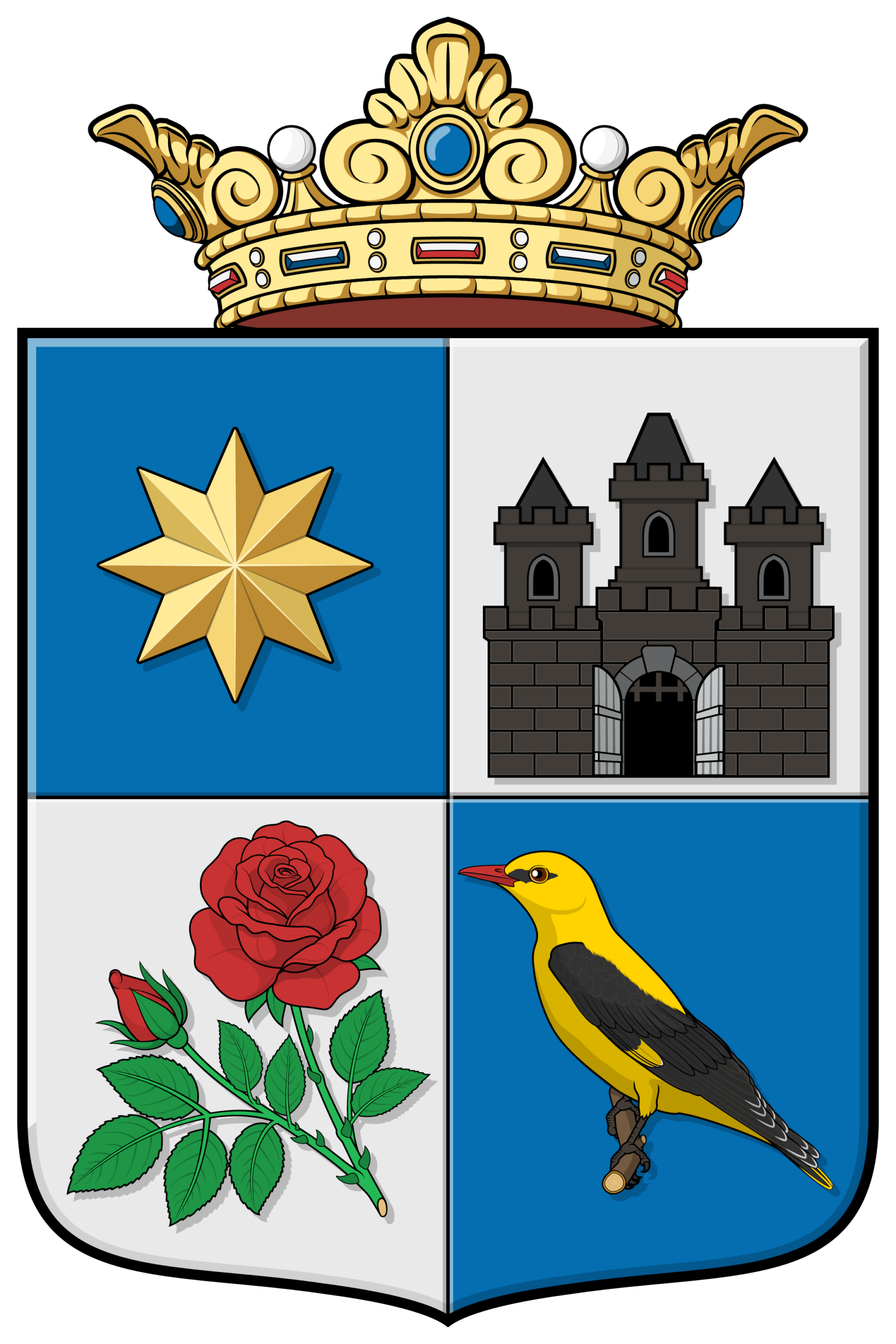
Buják címere
Lokáció:
Típus:
Jogállás:
Buják
Nestled among the eastern ridges of the Cserhát Mountains, approximately 13 kilometers from Pásztó, lies Buják. This picturesque “dead-end” village is a proud member of the Novohrad-Nógrád UNESCO Global Geopark. Surrounded by majestic mountains, the village welcomes visitors not only with its rich historical past but also with its unique folk costumes and breathtaking hiking trails.
The History of Buják
The area surrounding Buják has been inhabited since the Late Bronze Age, evidenced by archaeological finds at Tarisznya-part along the road to Ecseg. Significant artifacts from the era of the Hungarian Conquest have also been unearthed, highlighting the region’s early strategic importance.
The village’s name is derived from a Slavic personal name. During the Middle Ages, it was a flourishing settlement, even holding the status of a market town at the turn of the 15th and 16th centuries. It first fell under Ottoman rule in 1552, yet the village survived the turbulent centuries of conflict. From the mid-18th century, it became part of the Esterházy princely estates, and later, the Károlyi and Pappenheim families played a definitive role in shaping the landscape.
The Coat of Arms of Buják
The village features a standing, pointed-base shield divided into four quarters:
First field (blue): An eight-pointed gold star in the center.
Second field (silver): A black castle with three bastions and three towers.
Third field (silver): A red rose with a green stem.
Fourth field (blue): A golden (yellow) thrush facing right, perched on a green triple hill. The shield is crowned with a three-leafed golden heraldic crown adorned with gold, green, and red gemstones.
Buják Castle
The ruins of Buják Castle tower over the village on a mountain peak. The foundations of the fortress were likely laid following the Mongol invasion (13th century). Although it stands in ruins today, walking among its walls revives the atmosphere of the era of border fortress warfare. On the way to the castle, visitors can explore the Pappenheim Cave, one of the area’s unique geological formations.
The View from Sasbérc
One of the most significant landmarks in the area is the Sasbérc Lookout Tower, located atop the 446-meter-high Black Hill (Fekete-hegy). This four-story, rectangular tower was built by Countess Siegfried Pappenheim in the early 20th century. Renovated in 2004, the building is open to visitors on weekends and offers an unparalleled panorama of the Cserhát hills.
Folk Costume and Culture
Preserving traditions is a point of immense pride for Buják. The Buják folk costume is among the most unique in Hungary. Its most striking feature is the short, heavily pleated skirt that ends above the knee, finished with a large ruffle at the bottom.
The village has also left its mark on the world of art: the renowned painter Oszkár Glatz was a frequent visitor here, drawing inspiration from the locals. One of his most famous works, Young Woman of Buják with a Pitcher, was painted here.
Natural Treasures and Active Recreation
For nature lovers, Buják is a true paradise:
St. Anne’s Chapel and Calvary Hill: Built around 1800, the chapel and the leading Stations of the Cross hold both religious and landscape significance.
Egidius Spring: Located at the edge of the Silk Meadow (Selyemrét), this spring has been protected since 1943. Its stone-vaulted enclosure was constructed in the middle of the last century.
Ecological Nature Trail: The path between the local community center and Sasbérc showcases the region’s flora and fauna, as well as the intricacies of forest management.
Ancient Oaks: Near the Keselyrét nursery, protected oak trees—approximately 380 years old—guard the tranquility of the forest.
Economic Traditions
While the population today primarily makes a living from agriculture, the past saw unique industries such as silkworm breeding and the famous Buják viticulture, which received high praise in 19th-century chronicles. The tradition of charcoal burning also survives to this day at the Silk Meadow.
Az eredeti kép forrása: Nemzetijelkepek.hu
Szöveg forrása: Google Gemini

The visual content of this website may be freely used under the terms of the Creative Commons 4.0 license, provided that the source is clearly indicated and the attribution includes a full, clickable link to https://cimerek.hu or to the exact web address of the specific content.