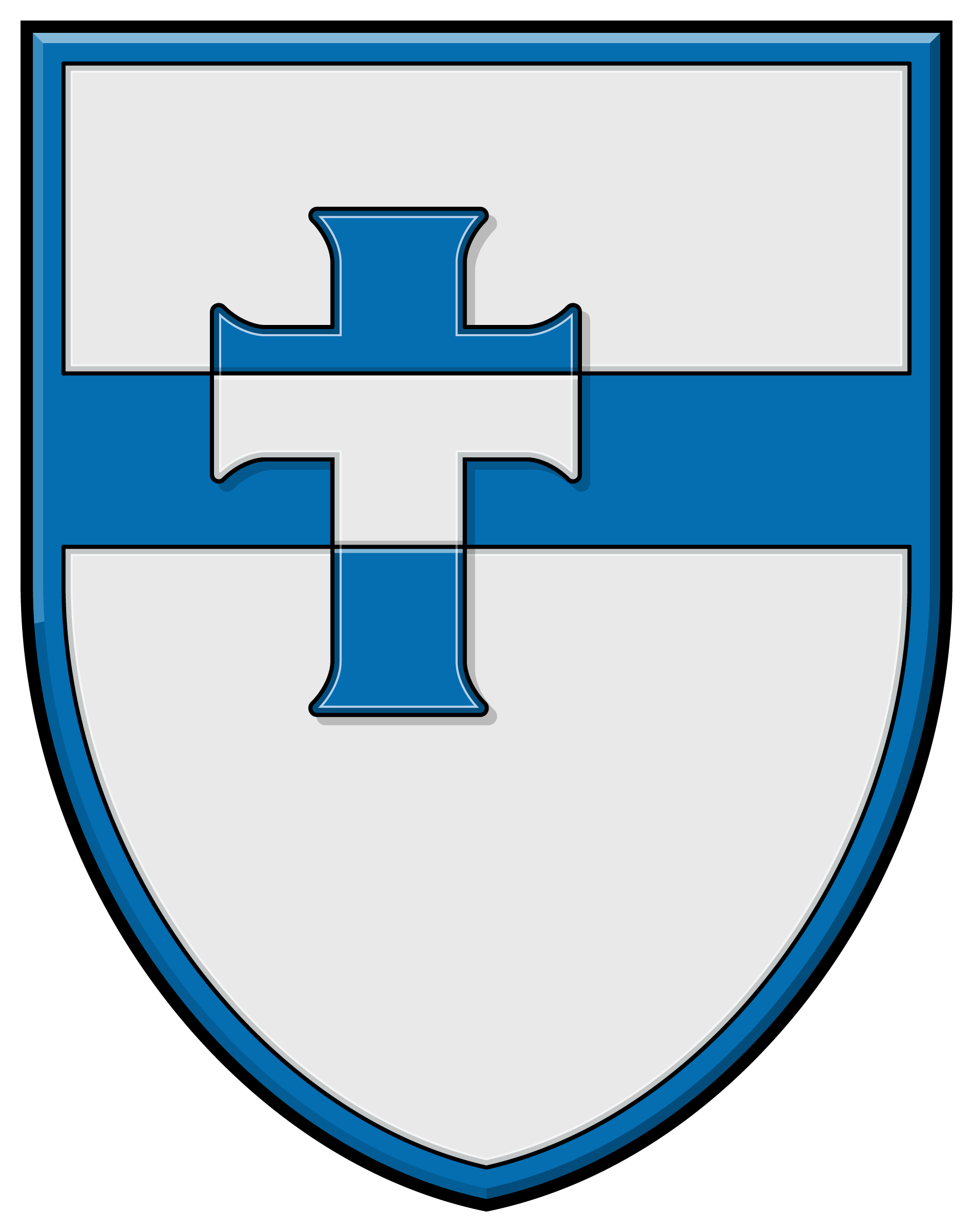
Coat of arms of Bodajk
Location:
Type:
Status:
Bodajk
( German: Wudeck ) A town in Fejér County, in the Mór District, situated at the foothills of the Bakony and the Transdanubian Mountains, on the edge of the Mór Trench.
Location
The settlement lies at the meeting point of the Vértes and the Bakony, with important transport connections (railway and main road).
Origin of the Name
Its name presumably derives from earlier variants referring to a nearby hill; the present form “Bodajk” evolved from “Bodoght / Bodak / Bodaik.”
History of Bodajk
The area around the settlement had already been inhabited before the Hunnic period; traces of Avars and Romans have also been found. In the Middle Ages, the lords of Csókakő Castle and the Rozgonyi family held significant influence in the region.
In 1543, following the fall of Székesfehérvár, Bodajk became part of the Ottoman-occupied territories. The settlement was destroyed, then rebuilt and developed further after the end of Ottoman rule.
At the end of the 17th century, the village became the property of the Hochburg family, and later developed into a resort and pilgrimage site.
In 1774 Bodajk was granted market-town status; its population continued to grow during the 19th century. Since 1 July 2008 it has officially held town status.
Population and Demography
In recent years the population of the town has remained stable at around 3,800–4,000 inhabitants (approximately 3,801 as of 2025).
The majority of residents are Hungarian, with smaller German, Roma, and Romanian communities, and a mixed religious background.
Sights
The settlement offers several places of historical and tourist interest:
Miske Castle
The Neoclassical Miske Castle (formerly incorrectly referred to as the Hochburg or Hochburg-Lamberg Castle) was built between 1837 and 1839 and is one of Bodajk’s most significant monuments.
Calvary of Bodajk
Built in 1736, it is an important pilgrimage site featuring three stone crosses and statues of the Virgin Mary and Saint John on Calvary Hill.
Holy Well (Szentkút) and the Parish Church
According to tradition, the holy spring of the settlement was visited by Stephen I of Hungary, Emeric of Hungary, Gerard of Csanád, and Ladislaus I of Hungary. The area has long been a site of pilgrimage.
The Baroque church dedicated to the Virgin Mary Help of Christians was built between 1744 and 1747.
Other Attractions
– Lake Bodajk and its medicinal springs (a popular excursion destination)
– Natural hiking areas in the valleys of the Gaja stream and around the Mór Trench
Cultural and Touristic Character
Bodajk has traditionally been an important pilgrimage and devotional site, supported by the attraction of the Holy Well and shrine. In 1699 the Capuchins received the right to organize pilgrimages here, which later also influenced the town’s tourism.
Coat of Arms of Bodajk
The coat of arms of the large village of Bodajk is a pointed shield: Argent, a fess Azure charged with a counterchanged blue cross patée.
The blue fess (band) on the white (heraldically silver) field refers to the National Blue Trail passing through the settlement, and also symbolizes the two streams flowing near the village: the Gaja and the Mór Water. It may also allude to the beautiful tradition according to which King Stephen once traveled by boat from Székesfehérvár to the shrine at Bodajk.
The other element of the coat of arms, the cross, represents this nationally renowned pilgrimage site, which over the centuries has become almost inseparably linked with the name of the settlement and is today beginning once again to regain its worthy place in the life of the town.
Az eredeti kép forrása: Nemzetijelkepek.hu
Szöveg forrása: ChatGPT

The visual content of this website may be freely used under the terms of the Creative Commons 4.0 license, provided that the source is clearly indicated and the attribution includes a full, clickable link to https://cimerek.hu or to the exact web address of the specific content.